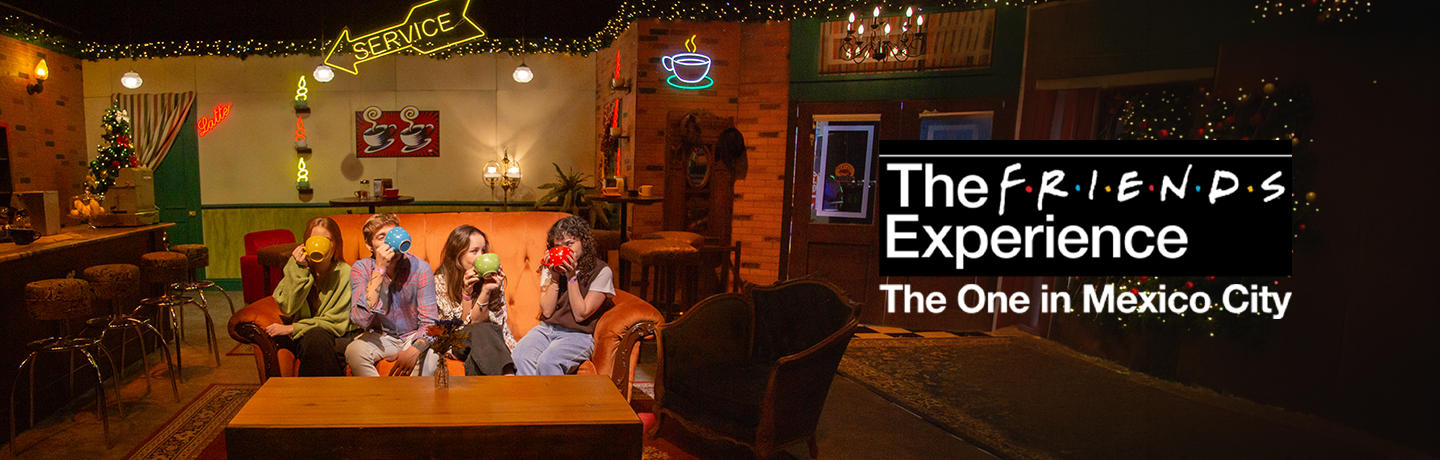

The experience lands in Mexico City to reconstruct the universe of one of television’s most influential sitcoms.
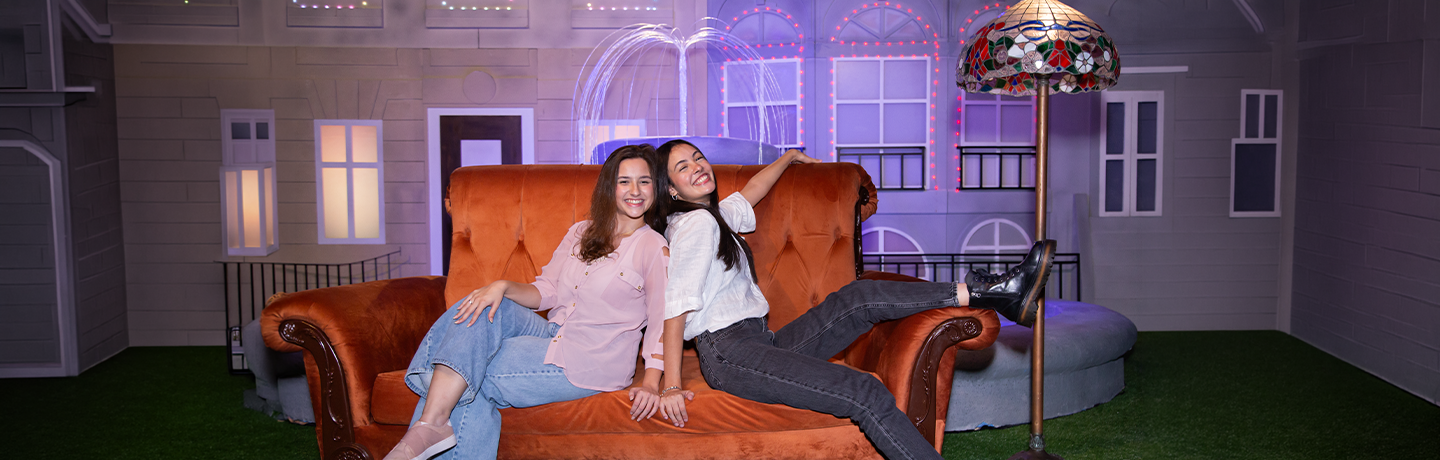
I’ll Be There for You starts playing and six people dance back and forth across your television screen. A fountain, an orange couch, black-and-white outfits, colorful umbrellas, water, synchronized movement… the screen fades to black, another episode begins.
The entry point
For ten seasons, Friends turned routine into a place millions of people wanted to return to. Thirty years later, the opening sequence still works like a key that unlocks something very specific: the immediate certainty that you already know those six people.
And that is precisely what The FRIENDS™ Experience is built around.
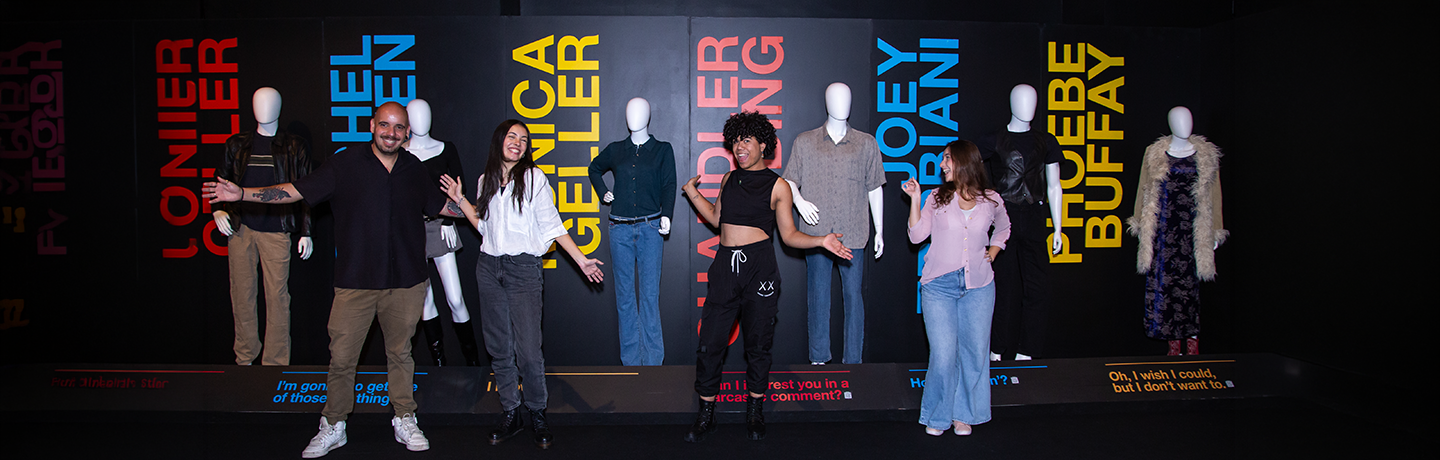
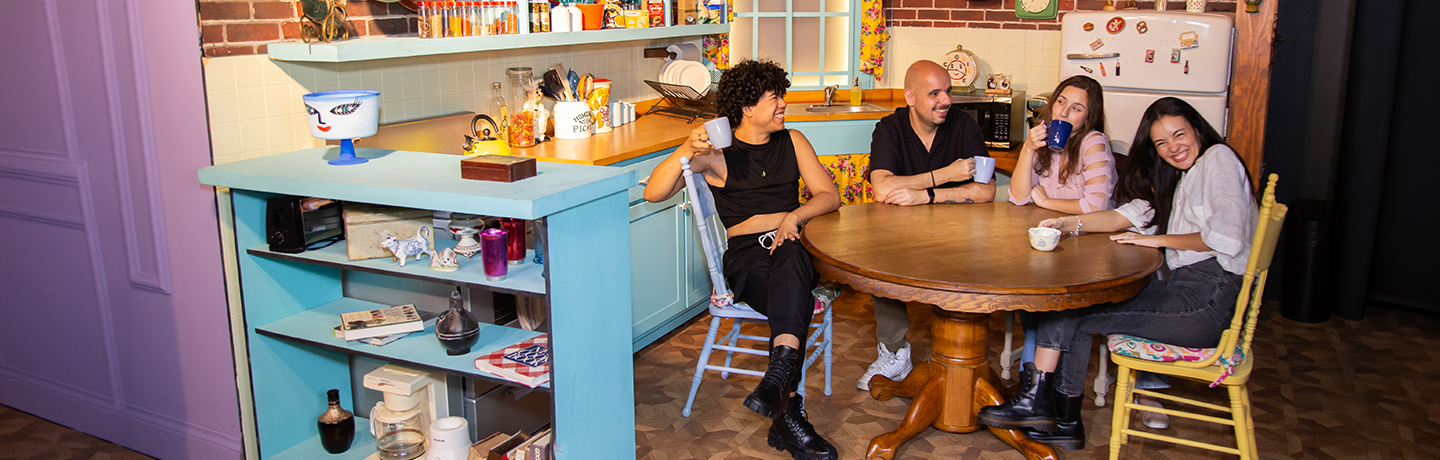
After touring more than thirty cities, The FRIENDS™ Experience now arrives in Mexico City through Warner Bros. Discovery Global Experiences, Original X Productions and Fever, in co-production with LETSGO. Visitors will find recreations of some of the show’s most recognizable spaces: Joey and Chandler’s apartment, Monica and Rachel’s kitchen, the iconic purple hallway, the opening fountain and Central Perk. But what makes the experience compelling is not simply the accuracy of the sets. It is the emotional precision with which audiences remember exactly what happened inside them.
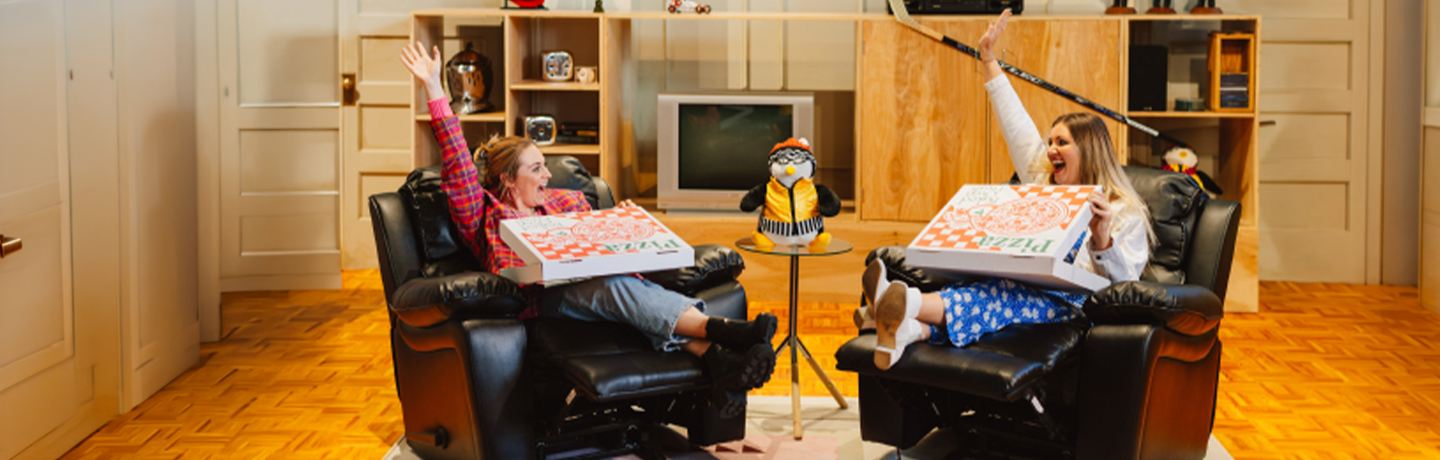
A couch stuck in a staircase is enough for someone to say “pivot” automatically. A stuffed penguin instantly triggers the memory of Joey. A pile of clothes thrown over a mannequin brings back one of Chandler and Joey’s most ridiculous scenes. Friends built a universe where ordinary objects became shared cultural codes.
The same people as always
How did a series filmed on a Burbank soundstage — starring six upper-middle-class white New Yorkers who rarely face real consequences — become comfort viewing for audiences ranging from Mexico City to South Korea?
The answer has less to do with New York than it seems. Probably less to do with the humor, too. The answer lies in the six characters and in the way they embedded themselves into a shared collective memory.
David Crane and Marta Kauffman created a group in which each character represents a recognizable human type that translates across cultures almost effortlessly. It does not matter where you grew up or in what language you first watched the show: the moment the six of them appear on screen, you understand who they are because, in some way, you already know them.
Monica needs to control everything because she understands care as a form of organization; Rachel embodies the fantasy of reinventing yourself from scratch; Ross turns intelligence and romance into constant mechanisms for validation; Chandler uses sarcasm to avoid emotional exposure; Joey lives in an emotionally simple present the others secretly envy; and Phoebe is the only one who seems to have stepped completely outside the social rules governing the rest of the group.
That is one of the reasons Friends achieved something remarkably difficult: its characters feel highly specific while functioning as collective mirrors. Audiences do not need to share cultural context with them to understand them. Their dynamics resemble those of almost any group of friends.
An accepted illusion
Of course, the series also sold a very particular fantasy. The New York of Friends was never entirely real: endless time for socializing, flexible economic stability and problems that rarely carried irreversible consequences. It presented a sanitized and emotionally safe version of urban adulthood.
That idealization has also become one of the show’s most frequent criticisms. Over time, cultural analyses have pointed to its limited racial diversity, its unrealistic portrayal of class and certain dynamics that are now viewed differently. Yet even those conversations reveal something important: the emotional connection the series created ultimately proved stronger than many of its cultural limitations.
In an era defined by digital exhaustion, Friends represents almost the opposite: slow conversations, shared routines, manageable conflicts and the fantasy that there will always be a place where someone is waiting for you. Many younger viewers continue to watch the show despite never having lived through the nineties. Not out of direct nostalgia, but inherited nostalgia — nostalgia for a way of life that appears emotionally simpler.
Entering the memory
That same nostalgia is part of what drives the phenomenon surrounding the experience itself, designed around small memory triggers: objects, spaces and scenes that audiences recognize instantly.
The FRIENDS™ Experience restores the feeling of a first time. A series consumed endlessly unfolds into a real, tangible place, offering the possibility of physical proximity to its universe. Interacting with its objects and recreating its most iconic scenes becomes the beginning of something more difficult to explain: the emotional whirlwind that can come from finally being there.
By the LETSGO Pen, Claudia Pérez Carbonell, on May 22nd, 2026.