
How contemporary culture redefines darkness: from a space of fear and mystery to a shared stage for celebration, aesthetics, and collective experiences
Dictionary and culture: Constructing darkness
The ten meanings that the Diccionario de la lengua española lists for the word oscuro outline a clear semantic field. Darkness is framed as a lack of light, confusion, uncertainty, sadness, or irrelevance. In all of them, a recurring idea emerges: absence or threat. Language thus establishes a direct link between darkness and problem, reinforcing a cultural perception that has, for centuries, placed darkness outside any notion of celebration.
This is not a minor detail. Language does not merely describe reality; it also organizes hierarchies of meaning. Within that order, darkness is consistently associated with what must be clarified, corrected, or overcome.
It is telling that none of these definitions leave room for the festive, the playful, or the shared. Why, then, do we struggle to think of darkness as a space for celebration?
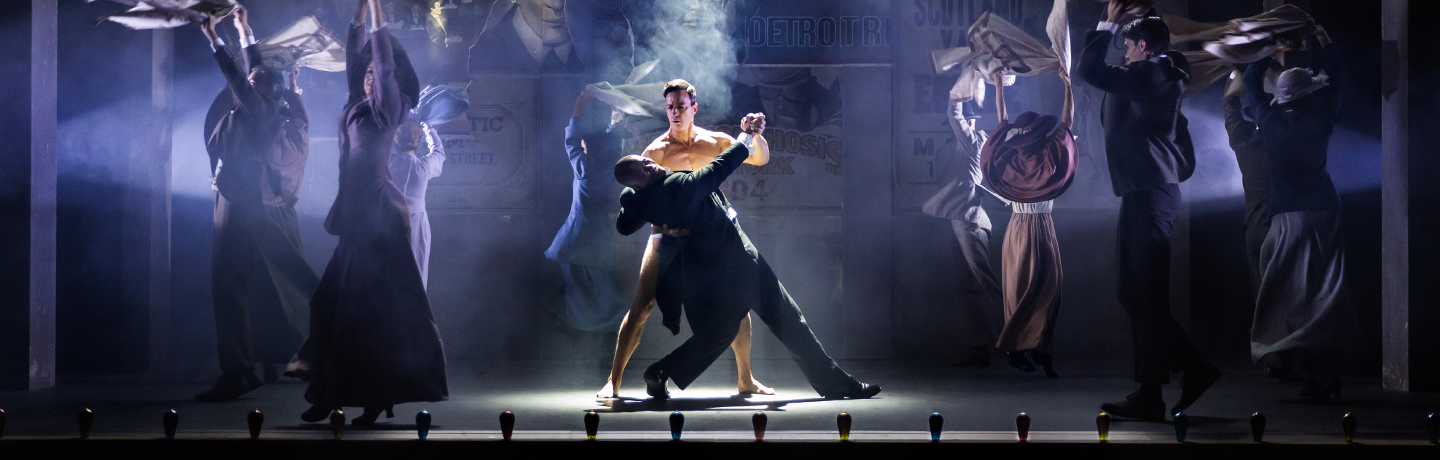
The cultural construction of fear and the night
While celebration has traditionally been associated with light, visibility, and exposure, the contexts in which we, as a society, encounter or rediscover the festive may be shifting.
There is a common understanding of celebration in which festivity implies being seen, occupying space, making noise. Darkness, by contrast, is relegated to the marginal, the suspicious, or the unfinished.
This separation is not so much the result of an inherent incompatibility as of a persistent cultural construction. For a long time, night and shadow were narrated as territories of risk rather than encounter. It is no coincidence that celebration historically favored illuminated, controllable settings.
Indeed, it is telling that some synonyms for oscuro directly evoke what is murky or illicit. Culture has long associated night with distrust, and any form of celebration within it inherited part of that suspicion.
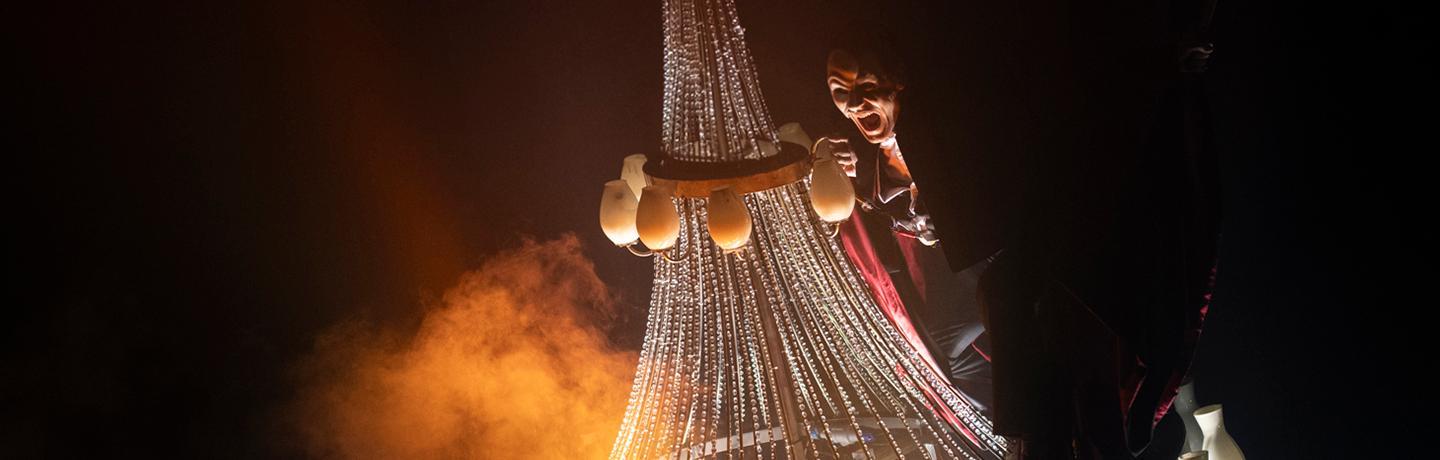
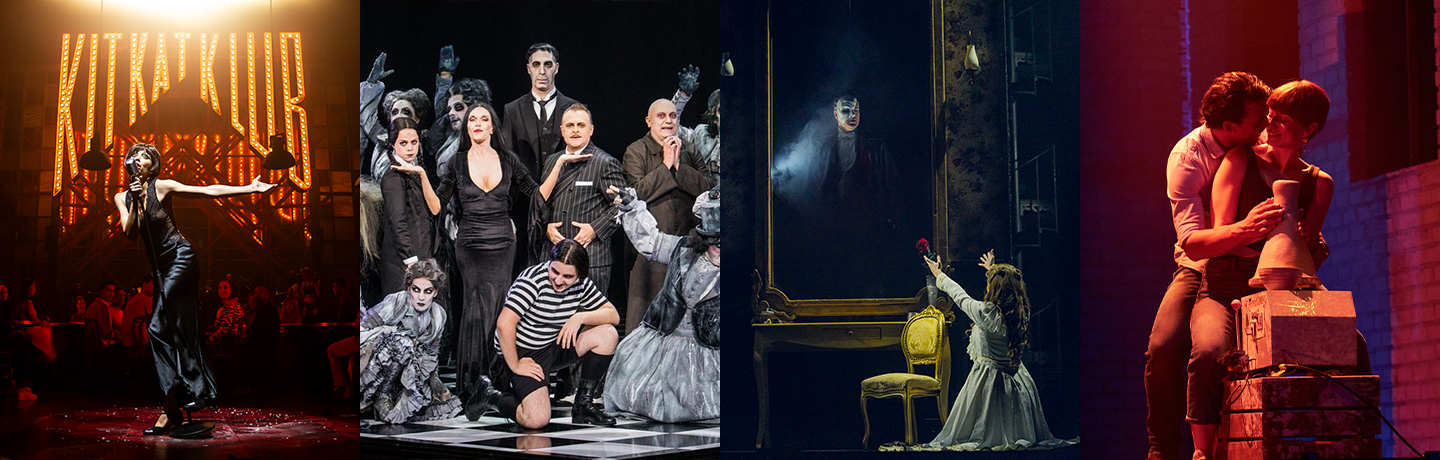
Scene from The Phantom of the Opera. Photo: LETSGO
Religion and mythology: darkness as opposition
From creation myths to religious literature, darkness has historically been presented as the counterpoint to light. In Genesis, God “separates the light from the darkness” on the First Day; light is associated with truth and virtue, darkness with sin and the Devil. Painters such as Rembrandt reinforced this narrative, depicting divine light illuminating a world that would otherwise remain in shadow.
In classical mythologies, the underworld (Hades, Tartarus) was imagined as a realm of darkness, in contrast to the luminous heavens of the gods. Christian tradition adopts this symbolic geography: heaven as a realm of light opposed to a dark hell, fallen angels set against the unfallen. In Islamic literature, Illiyin represents the highest resting place of righteous souls, while Sijjin functions as an underworld. Day and night are personified across cultures, from Dagr and Nótt in Norse mythology to Hemera and Nyx in Greek tradition, while philosophies such as yin and yang frame the light–dark duality as a symbolic balance.
It is unsurprising that this symbolic heritage shaped our perception of darkness for centuries as a space of danger, ignorance, or transgression. Even outside moral frameworks, darkness became associated with uncertainty, secrecy, and what lies beyond reach.
The shift toward contemporary culture
In recent years, however, popular culture has begun to approach darkness differently. We have gradually moved away from its association with fear and threat, toward silence and reconnection. The aim is not to eliminate darkness, but to make it inhabitable.
This shift is especially visible in collective experiences that engage with night without turning it into a scare tactic. Celebration no longer depends on illuminating everything, but on designing experiences within the shadows.
Nighttime walks, light trails —luminous installations unfolding within dark environments— nocturnal museum visits, stylized Halloween celebrations, or cultural phenomena such as Wednesday all demonstrate that darkness can be shared, appreciated, and celebrated.
In other words, while symbolic history linked darkness to threat, contemporary practice shows that it can also offer a different form of participation.
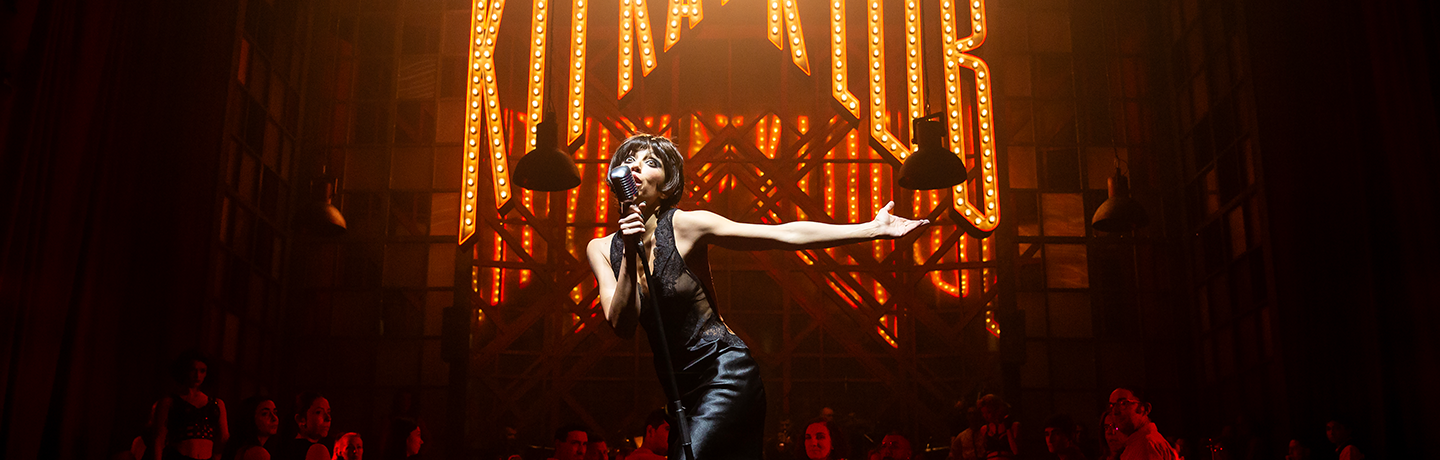
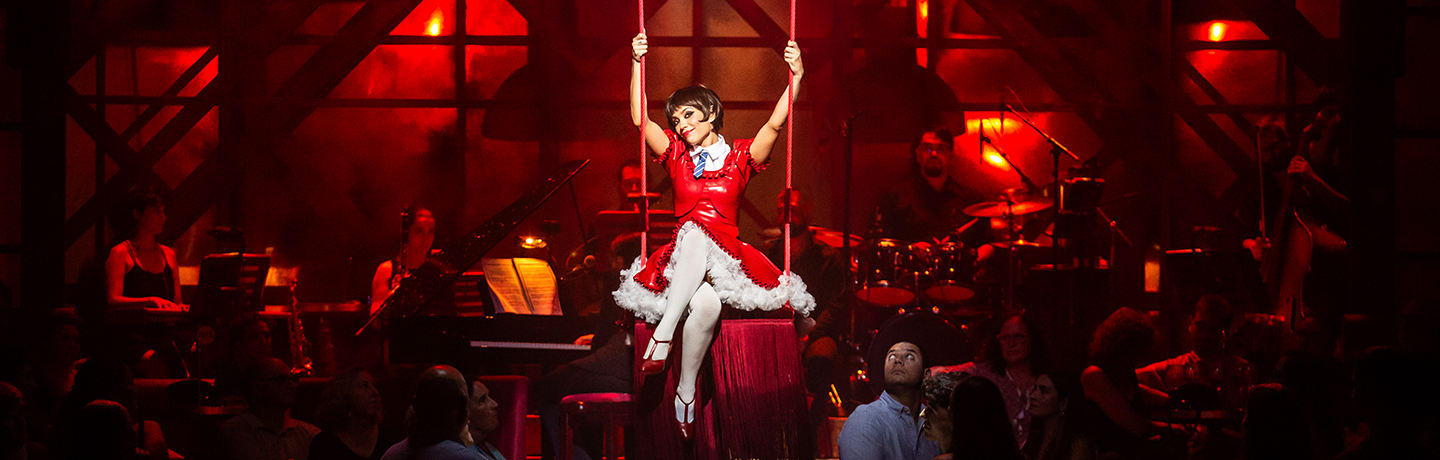
Scene from Cabaret. Photo: LETSGO
Nighttime experiences: light, darkness, and participation
Light trails and nocturnal routes take this idea a step further. They do not illuminate in order to erase the night, but to move through it. Darkness becomes the canvas on which a slow, sensory experience is built.
Christmas is, perhaps, the clearest example of how darkness can become a festive setting. Illuminated streets, night markets, decorated windows, and glowing trees take shelter in the night to intensify the experience. The contrast creates a shared space in which celebration feels both more intimate and more collective.
Something similar occurs in the contemporary transformation of Halloween. More than a night of fear, it now operates as a stylized carnival where strangeness is normalized and celebrated. Terror dissolves into aesthetics, irony, and cultural reference.
Darkness ceases to be intimidating when it becomes repeatable, recognizable, and, above all, shared. The celebration lies not in the tone, but in participation.
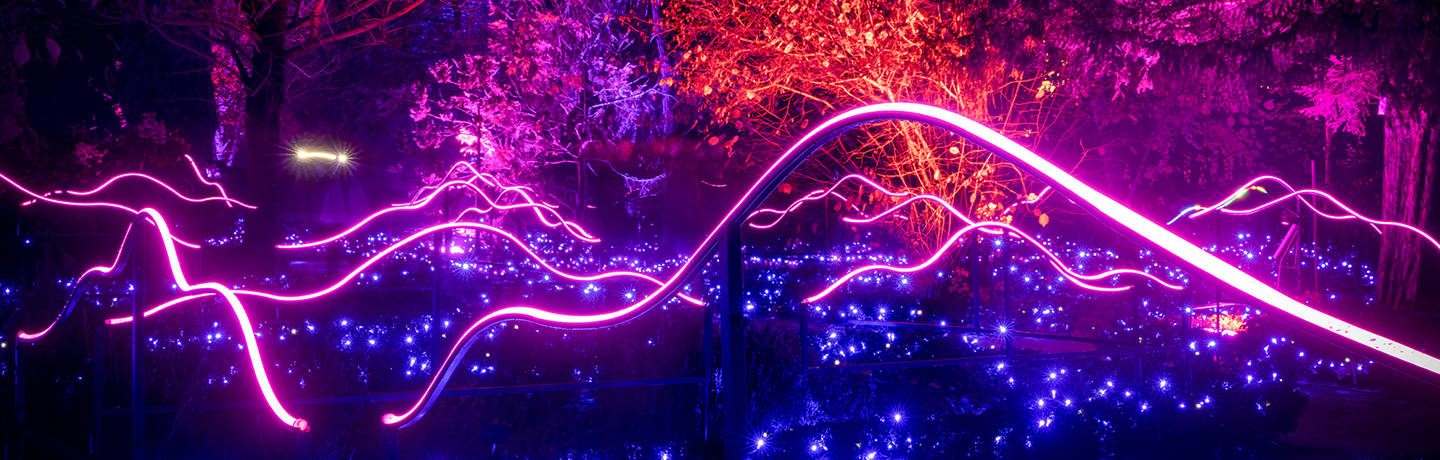
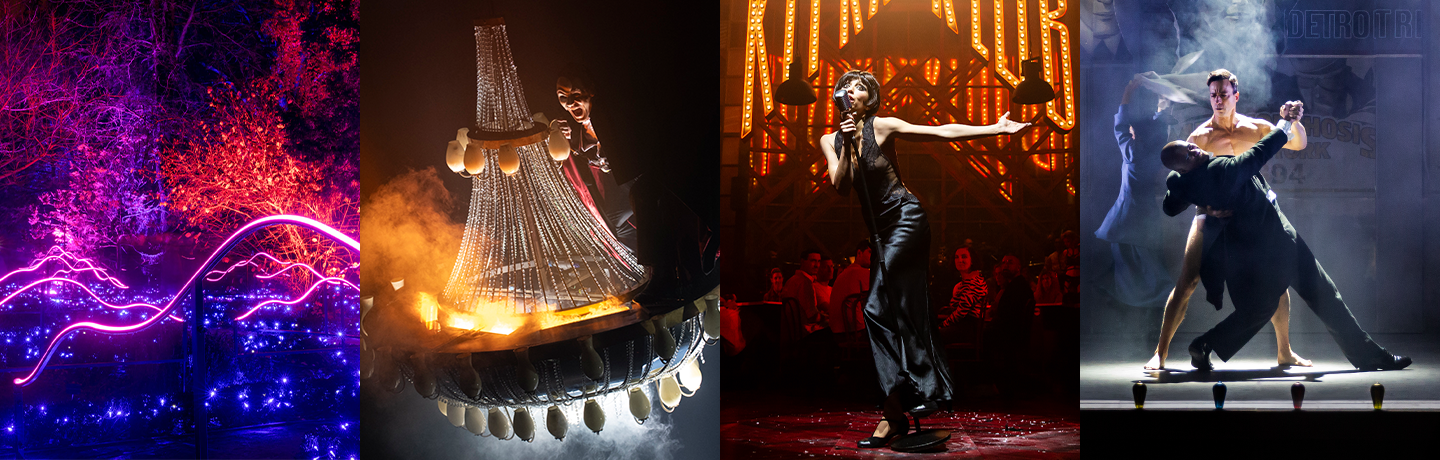
Image from the production Naturaleza Encendida (Madrid edition 2024). Photo: LETSGO
Darkness as a space of sophistication
Within the world of performance, darkness has long functioned as a creative and narrative device. Musicals such as The Phantom of the Opera, Houdini, or Cabaret use it to shape atmospheres of mystery, drama, and tension.
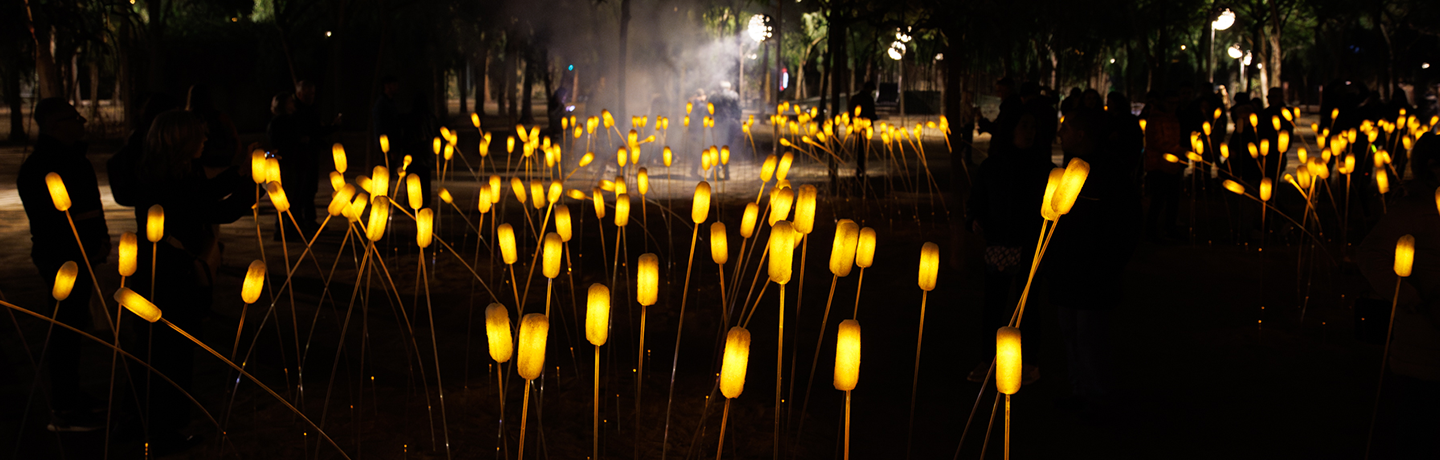
Immersive experiences and productions such as The Nightmare Before Christmas: Light Trail or Naturaleza Encendida rely on shadow not to disorient, but to sharpen the senses and focus attention.
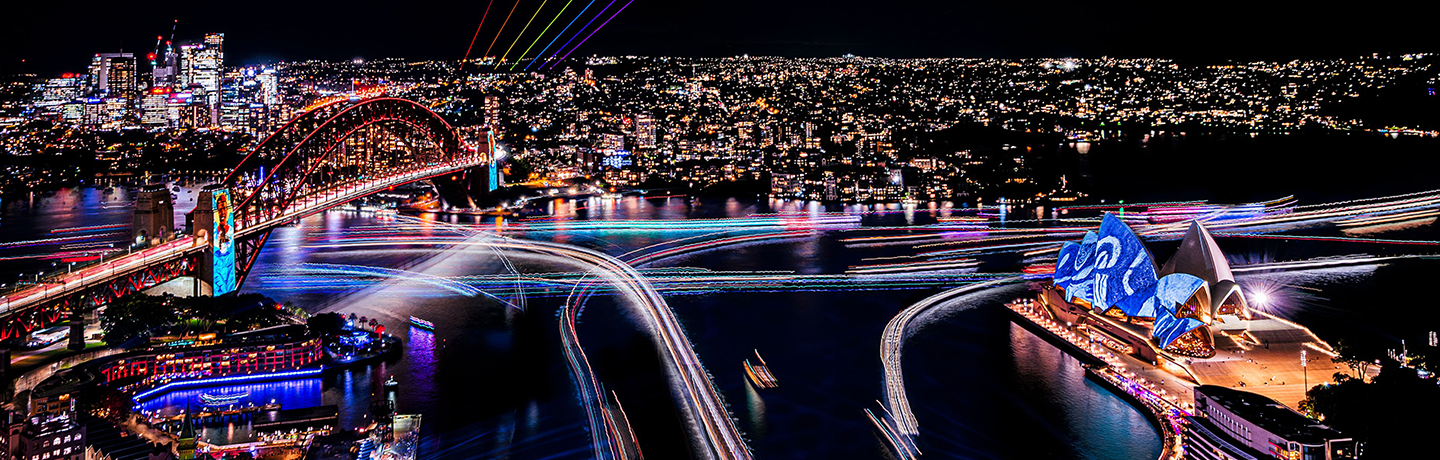
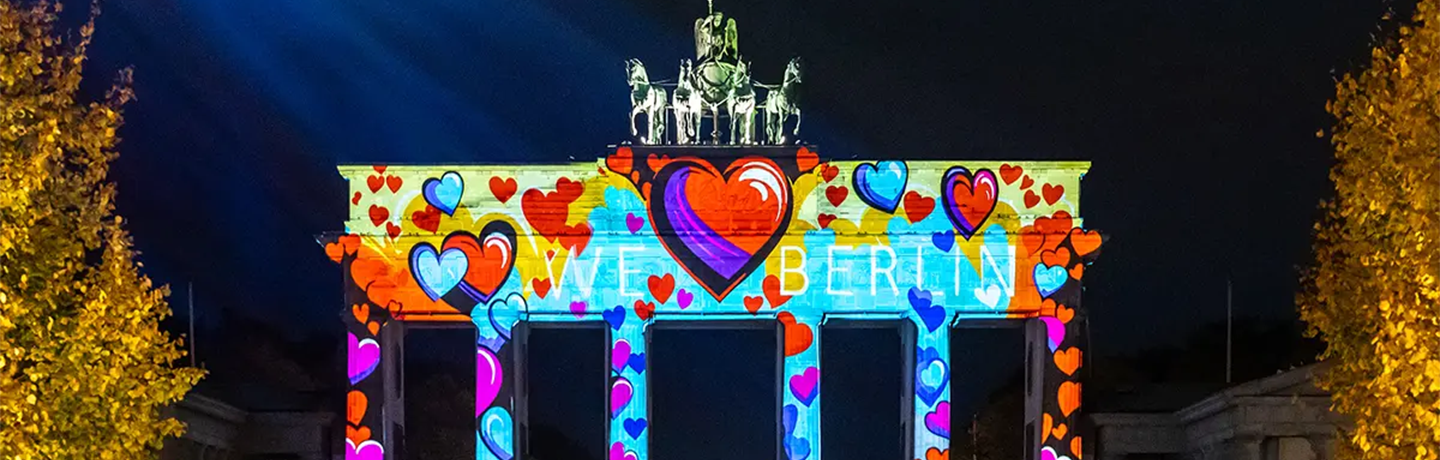
At nighttime art festivals, installations like Llum BCN, Berlin’s Festival of Lights, or Vivid Sydney transform urban spaces into canvases of light and shadow. Even concerts and contemporary dance performances have embraced the night to generate intimacy and surprise.
There is something telling in this choice. Darkness does not seek to conceal, but to intensify perception and make it memorable. Celebration becomes more precise and more conscious.
Why this form of celebration attracts us
The contemporary fascination with darkness responds to a context saturated with stimuli, light, and excessive information. Against that overexposure, shadow offers something light cannot: pause, ambiguity, and room for interpretation. Celebrating in darkness means choosing a different rhythm, a different approach: being present without explaining everything, participating without fully exposing oneself, sharing without noise.
Darkness becomes fertile ground for creativity and modern festivity. From refined gothic aesthetics to accessible immersive experiences, shadow allows for a form of celebration that is intimate, reflective, and collective at once. Paradoxically, a space historically marked by fear and suspicion has become a stage for community, play, and enjoyment.
The limits of dark celebration
A nuance is worth introducing. The darkness we celebrate today is not the same one that once provoked fear or rejection. It is a programmed, safe, and aesthetically controlled darkness. The various forms of spectacle discussed here move away from night as an uncertain territory and embrace it as a designed setting. Darkness becomes acceptable once it ceases to be unpredictable.
The question that remains open is whether this reappropriation truly expands the meaning of darkness or, on the contrary, reduces it to an attractive, consumable aesthetic surface.
By the LETSGO Pen, Claudia Pérez Carbonell, on December 18th, 2025